ScoutPro™
Objective tear osmolarity test results right in the palm of your hand
The Importance of Corneal Health to Surgical Success
Corneal health can significantly impact surgical outcomes for patients.1 Tear hyperosmolarity is toxic to the eye, damaging corneal cells and contributing to refractive instability.2-4
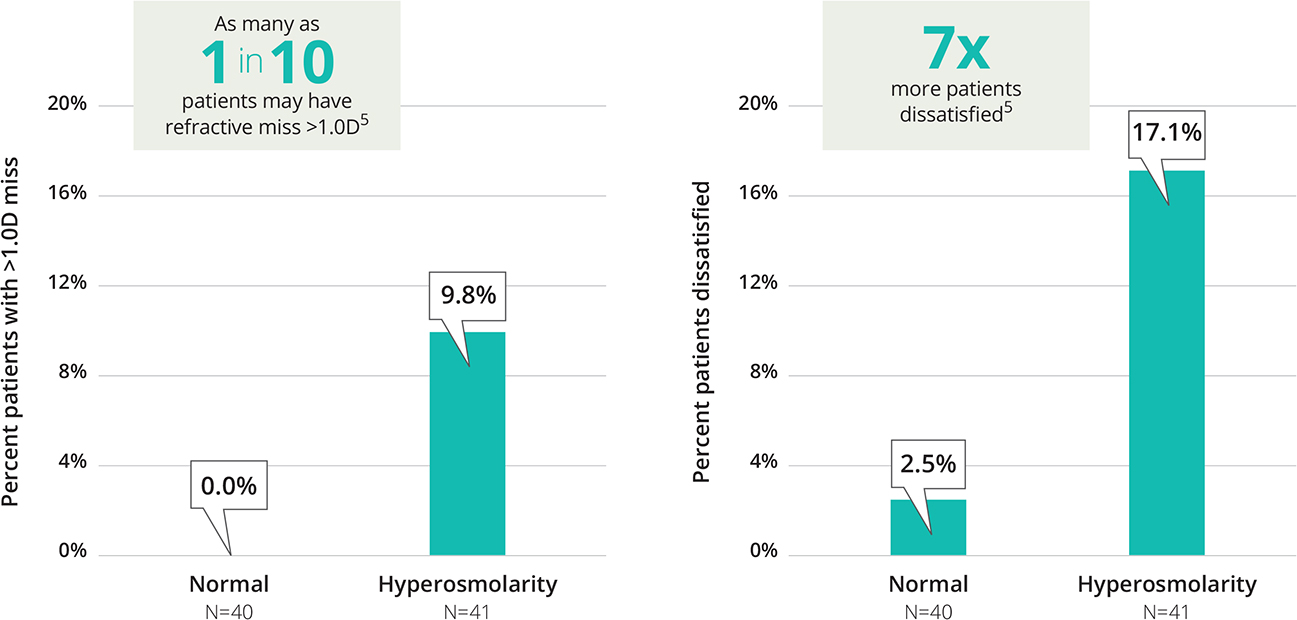
- Tear hyperosmolarity may result in 7x more patients being dissatisfied with their cataract surgery outcomes.5
- Up to 80% of cataract surgery patients may be at risk for ocular surface disease, but they do not always present with symptoms.6
- 1 in 6 cataract patients with hyperosmolarity risk a >1.0 D variation in keratometry measurements. This variability increases the chances of postoperative refractive surprises.4
Tear osmolarity testing is essential for pre-operative planning
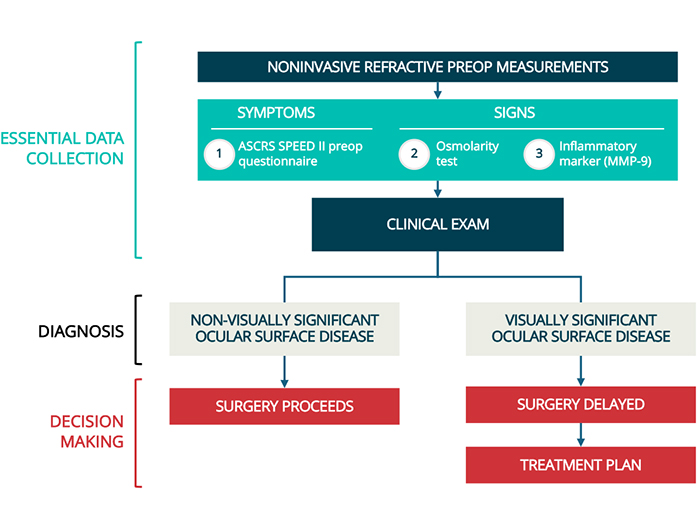
The ASCRS recommends pre-operative tear osmolarity testing to identify visually significant ocular surface disease.7
View full algorithm here.
Simplified ASCRS Preoperative OSD Algorithm7

I get asked, “How important is osmolarity testing in modern cataract-refractive surgery?”
And my response is, “How important is quality of vision for your patient outcomes?”
Intraocular light scatter impacts quality of vision8
Hyperosmolarity has been shown to create light scatter equivalent to a grade 2–3 cataract.8,9
Tear hyperosmolarity makes refractive misses and patient dissatisfaction more likely after cataract surgery.5

You’ll be surprised at how much ocular surface risk you were missing before using osmolarity testing and how much better you’ll be able to serve your patients’ needs; a happy patient is a happy surgeon!
ScoutPro is the first and only osmolarity system that is portable, practical, and precise
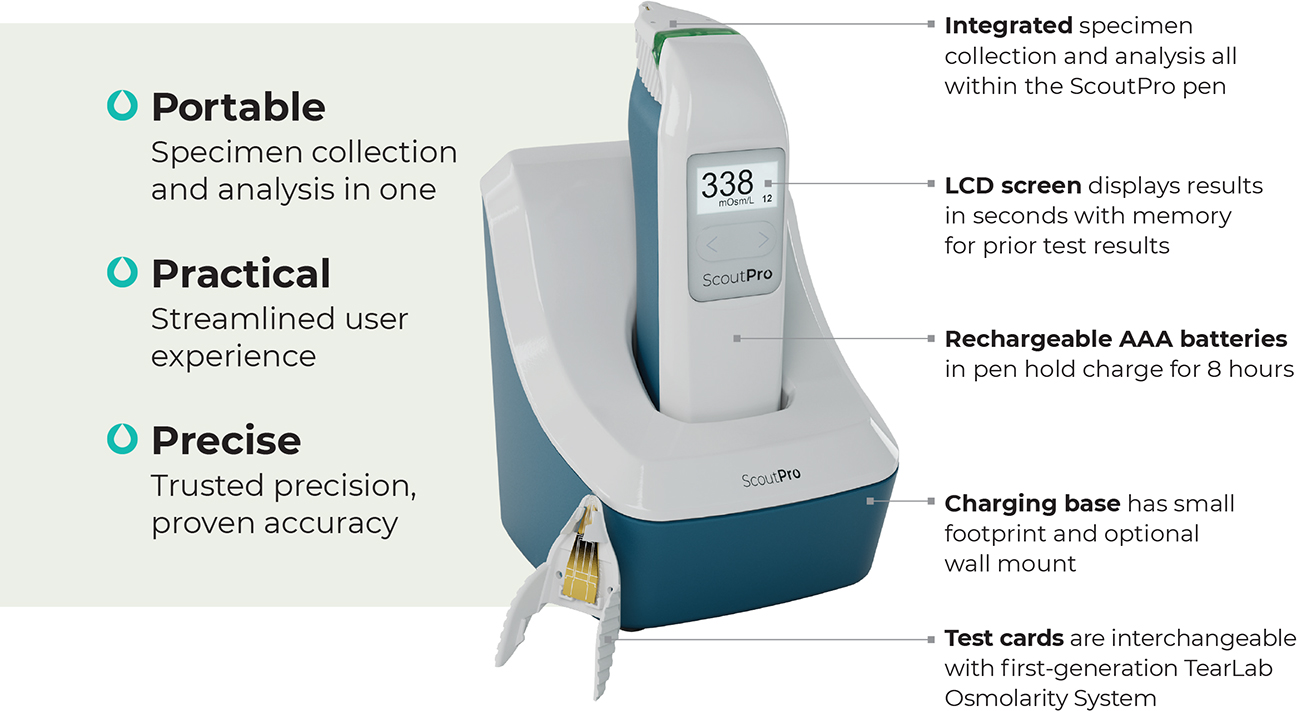

I am relentless in delivering the highest quality of vision for my patients, and the ScoutPro device provides me the objective data needed for ideal treatment plans.
ScoutPro enables seamless integration of tear osmolarity testing into your practice
With ScoutPro, the testing process is streamlined and seamlessly integrates into a busy practice.
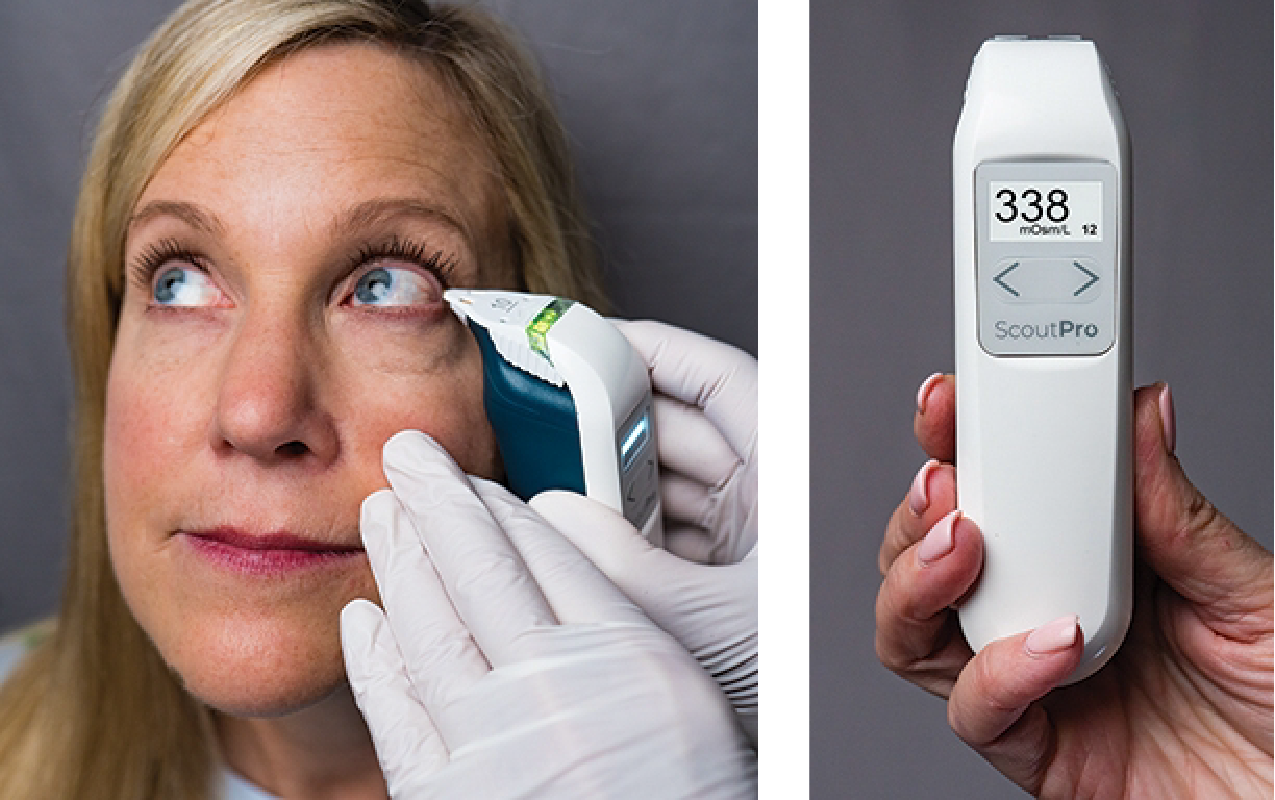
- CLIA-waived test reimbursable under CPT83861
- Testing only requires a very small (50 nanoliter) volume of tears, enabling osmolarity testing on even the driest eyes
- No need to dock the pen to analyze the tear sample and obtain results
- Real-time results appear on the pen within seconds of tear sample collection
- Recall up to 2 prior test results
Incorporate tear osmolarity testing into your practice today!
Email: ScoutPro@Bausch.com
Web: www.GetScoutPro.com
References:
- Schechter B, Mah F. Ophthalmol Ther. 2022;11(3):1001-1015.
- Hirata H, et al. Invest Ophthalmol Vis Sci. 2015;56(13):8125-40.
- Huet E, et al. Am J Pathol. 2011;179(3):1278-86.
- Epitropoulos AT, et al. J Cataract Refract Surg. 2015;41(8):1672-7.
- Kursite A, Laganovska G. J Ophthalmol (Ukraine). 2023;2(511):11-15.
- Gupta PK, et al. J Cataract Refract Surg. 2018;44(9):1090-1096.
- Starr CE, et al. J Cataract Refract Surg. 2019;45(5):669-684.
- Artal P, et al. PLoS One. 2011;6(2):e16823.
- Sullivan BD, et al. Clin Ophthalmol. 2024;Aug 28;18:2419-2426.
The ScoutPro is a U.S. CLIA waived test system for human tears. Each laboratory or testing site using ScoutPro in the U.S. must have a CLIA Certificate of Waiver before starting testing.
| ScoutPro Components | |||
|---|---|---|---|
| Included | Sold Separately | ||
| ScoutPro | Power Supply and Power Cord(s) | Osmolarity Control Solutions | |
| Charging Base | Set of 2 Electronic Check Cards | Osmolarity Test Cards | |
| AAA Batteries (rechargeable) | Technician Guide with CLIA logs | ScoutCase | |
| ScoutPro Specifications | ||
|---|---|---|
| Power Requirements | Use only power supply model PDM3OUS12 (XP Power) | |
| Power Supply | Input Voltage | 100 – 240 VAC |
| Input Current | 0.6A MAX | |
| Frequency | 47 – 63 Hz | |
| Output Voltage | 12 VDC | |
| Output Current | 1.5 A | |
| Pen Power Source | Input | 4.5 – 5.5 VDC 0.6 A |
| Power | AAA rechargable batteries | |
| Environmental Conditions | For Transport and Storage | |
| Temperature | 2°C – 35°C (36°F – 95°F) | |
| Relative Humidity | 10% – 85% noncondensing | |
| Altitude | 0 – 2,000 meters | |
| For Operation | ||
| Temperature | 15°C – 30°C (59°F – 86°F) | |
| Relative Humidity | 10% – 85% noncondensing | |
| Altitude | 0 – 2,000 meters | |
| System Classification | Class III, powered by Class II power supply Type 2 applied part Continuous service |
|
-
Media
Title
Tag
-
ScoutPro™ Brochure
Marketing Brochures ScoutProMarketing Brochures ScoutPro -
Technician Resource Guide
Marketing Brochures ScoutProMarketing Brochures ScoutPro -
Light Scatter Brochure
Marketing Brochures ScoutProMarketing Brochures ScoutPro -
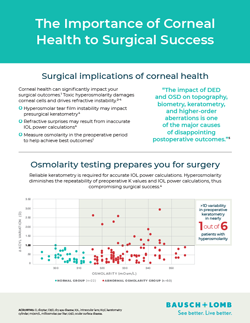
The Importance of Corneal Health to Surgical Success
Marketing Brochures ScoutProMarketing Brochures ScoutPro -
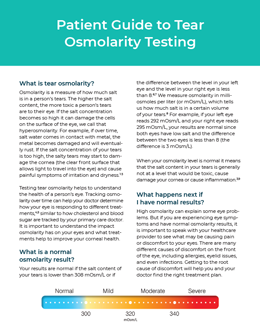
Patient Guide to Tear Osmolarity Testing
Marketing Brochures ScoutProMarketing Brochures ScoutPro -
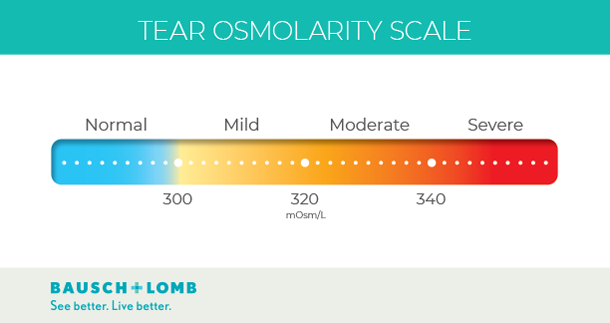
Osmolarity Scale
Marketing Brochures ScoutProMarketing Brochures ScoutPro -
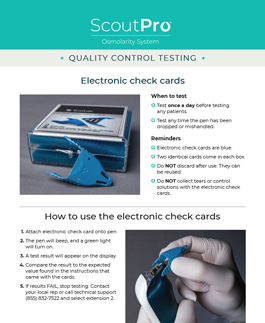
Quality Control Reference Guide
Marketing Brochures ScoutProMarketing Brochures ScoutPro -
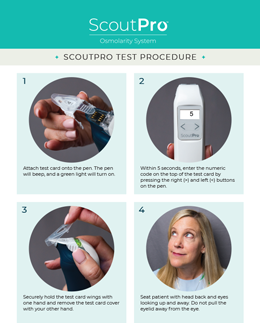
ScoutPro™ Testing Procedure Reference Guide
Marketing Brochures ScoutProMarketing Brochures ScoutPro -
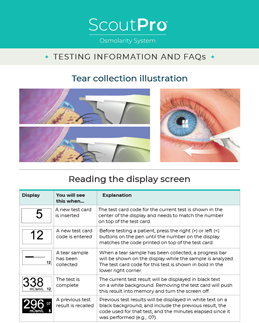
ScoutPro™ Quick Info Guide
Marketing Brochures ScoutProMarketing Brochures ScoutPro -
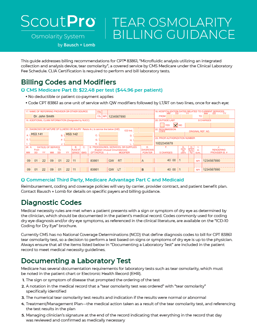
Tear Osmolarity Billing Guidance
Marketing Brochures ScoutProMarketing Brochures ScoutPro -
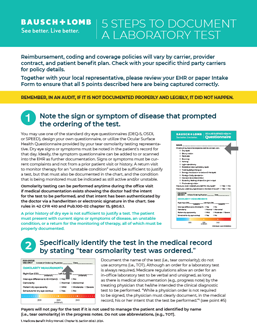
5 Steps to Document a Laboratory Test
Marketing Brochures ScoutProMarketing Brochures ScoutPro -
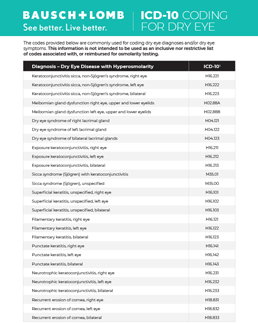
ICD-10 Codes
Marketing Brochures ScoutProMarketing Brochures ScoutPro
-
Media
Title
Tag
-
ScoutPro™ Demo Video
See a demonstration of tear osmolarity testing performed in seconds with ScoutProProduct Features ScoutProProduct Features ScoutPro -
ScoutPro™ Introductory Video
Learn about the features of tear osmolarity testing with ScoutProProduct Features ScoutProProduct Features ScoutPro -
Expert Perspectives on Osmolarity Testing
Hear clinical perspectives from Dagny Zhu, MD and Ryan Smith, MDSurgeon Testimonials ScoutProSurgeon Testimonials ScoutPro